Speakerphone Characterization
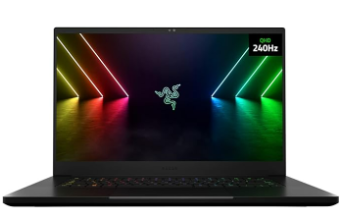
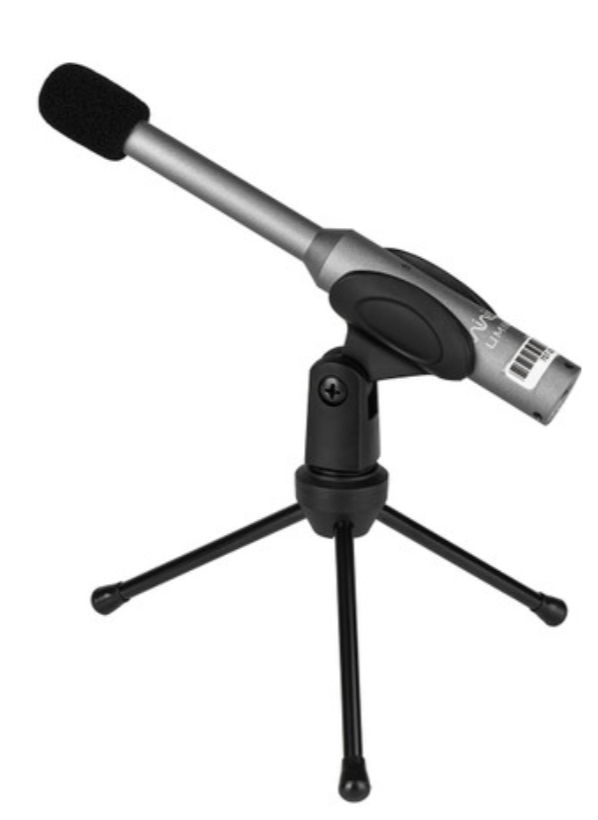
I did this project in 2023 to investigate the potential subjective call quality improvements from popular speakerphones on the market. For my investigation, I used subjective test methods described in Floyd Toole's book: Sound Reproduction, The Acoustics and Psychoacoustics of Loudspeakers and Rooms. Since the pandemic, more people are choosing to work remote, and online conferences and meetings are quickly becoming the norm. As a result, a good speakerphone is becoming more important in the modern office. This project aims to provide a thorough analysis of some of the most popular speakerphones on the market. The analysis will encompass both objective data and subjective evaluations from trained listeners. Let's first meet the speakerphones in this exercise, they are: Anker PowerConf S3($80) — Best seller on Amazon Audeze Filter($250) — Audiophile's choice Logitech Logi Dock($260) — Premium home office Shure Stem Table($750) — Corporate conference room Laptop Internal Mics, on Razor and Apple laptops (Free) — Performance baseline MiniDSP UMIC-1 — Flat response reference mic control group
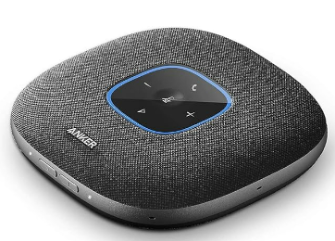
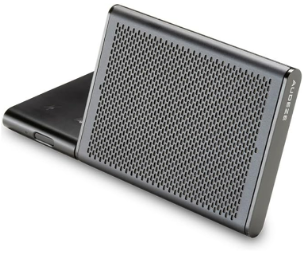
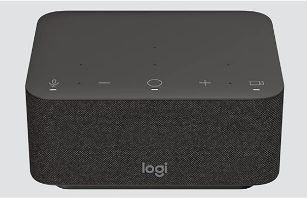
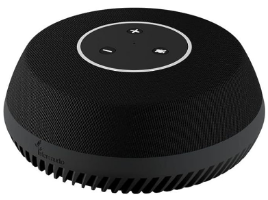
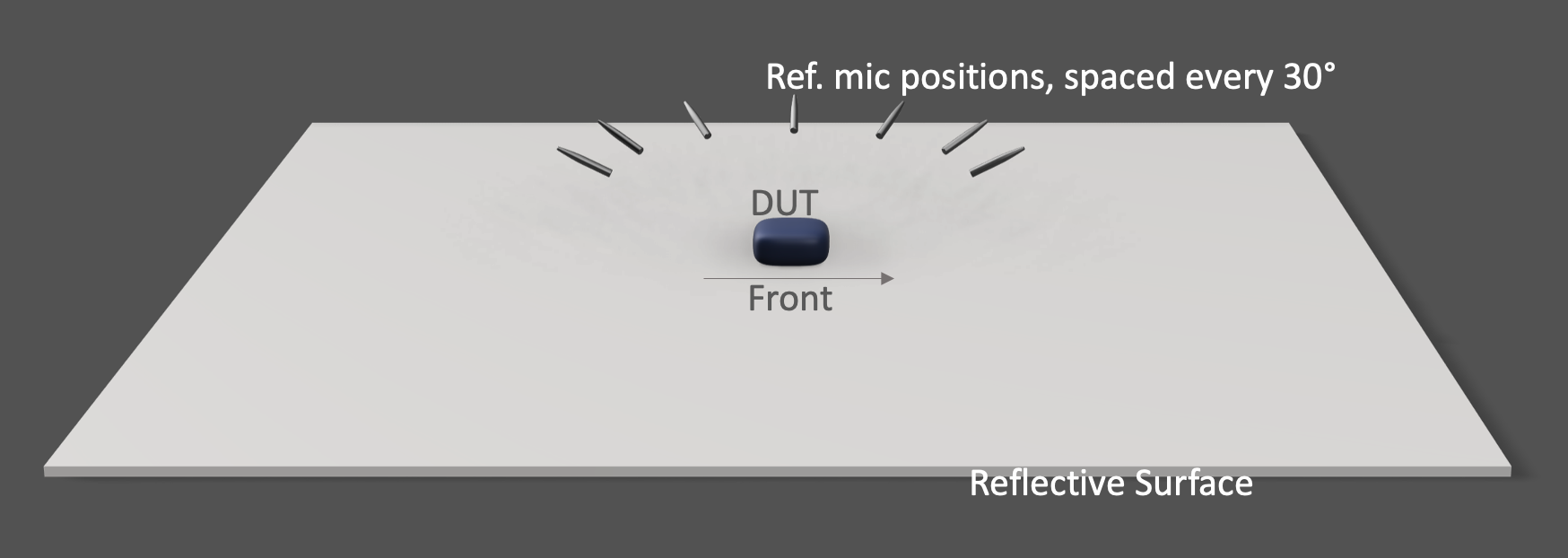
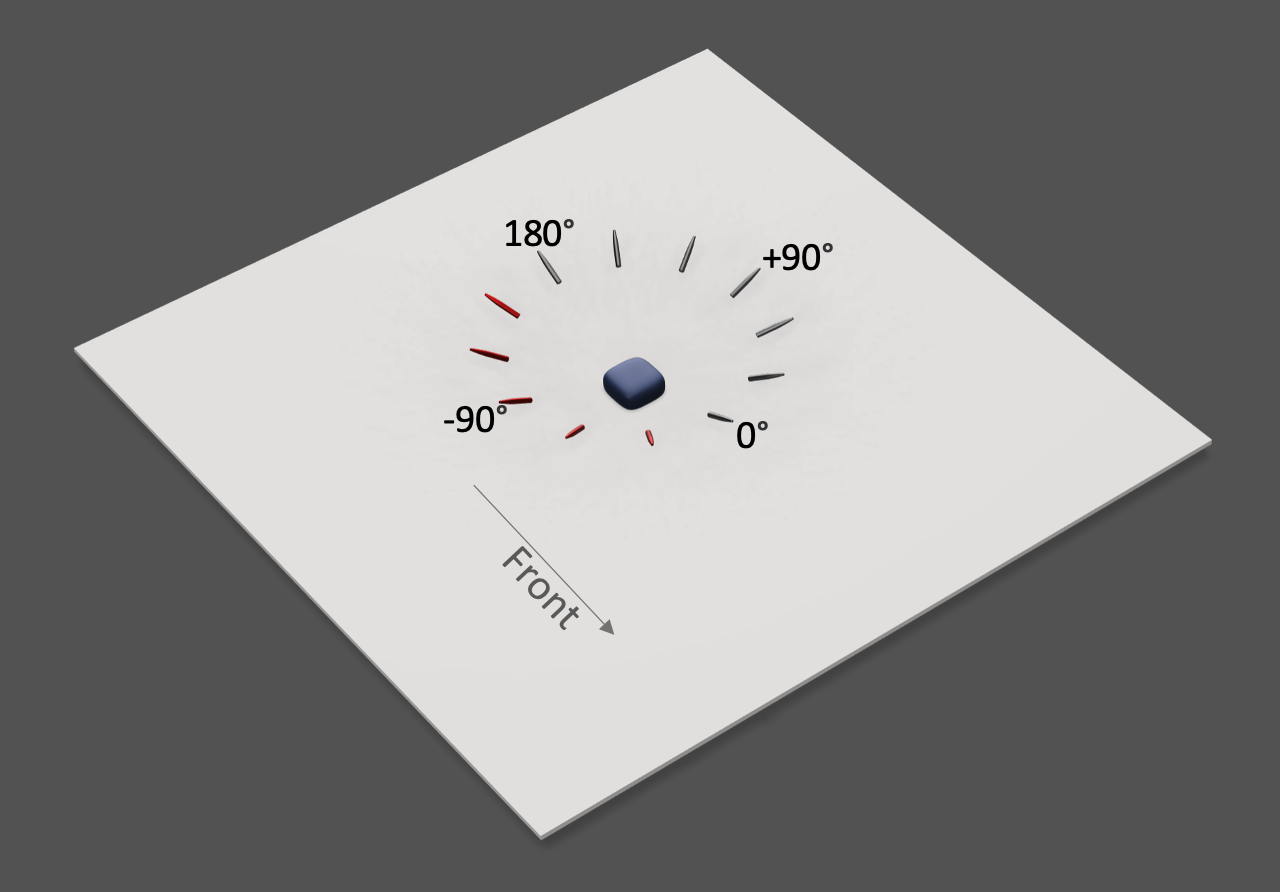
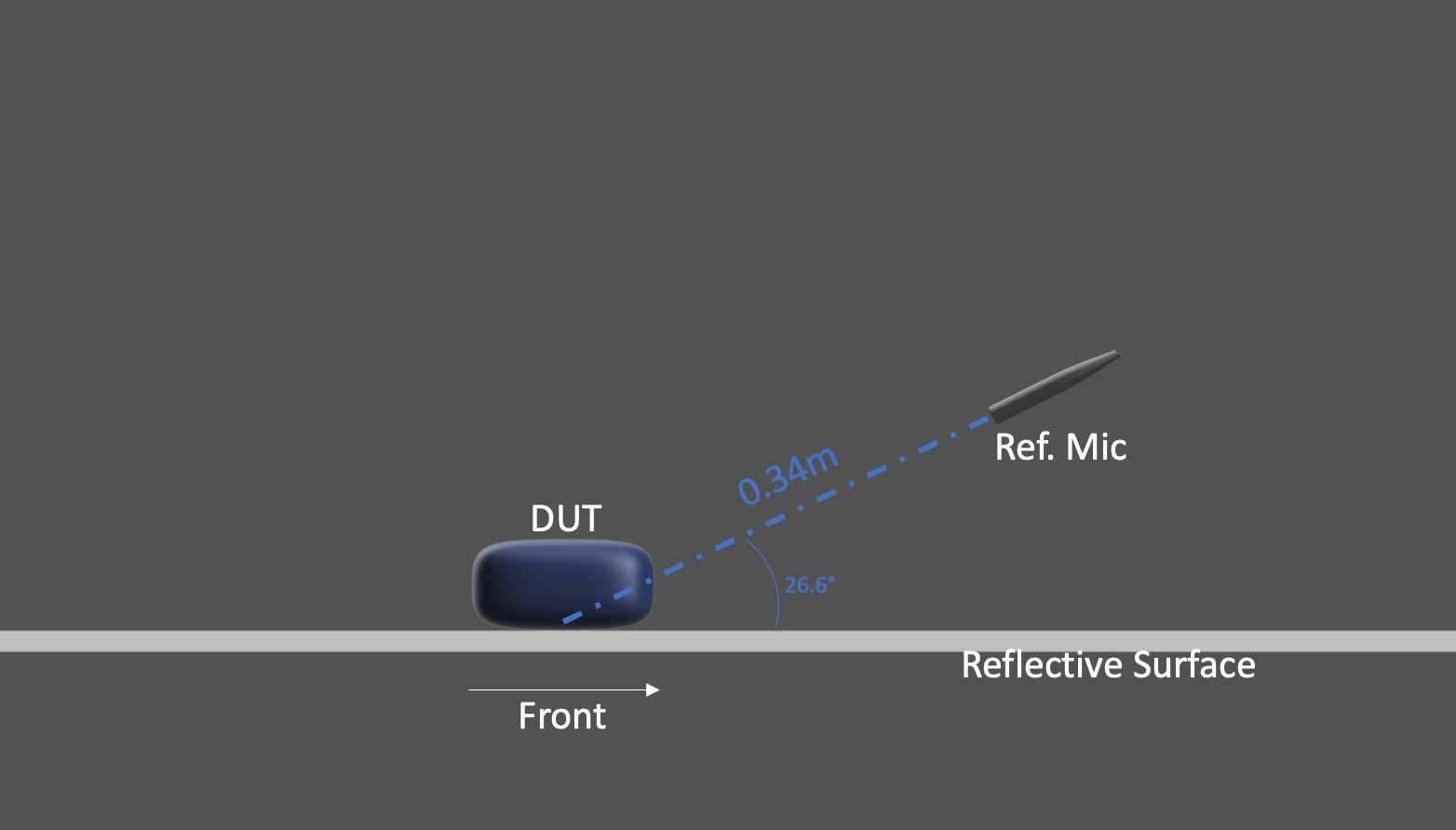
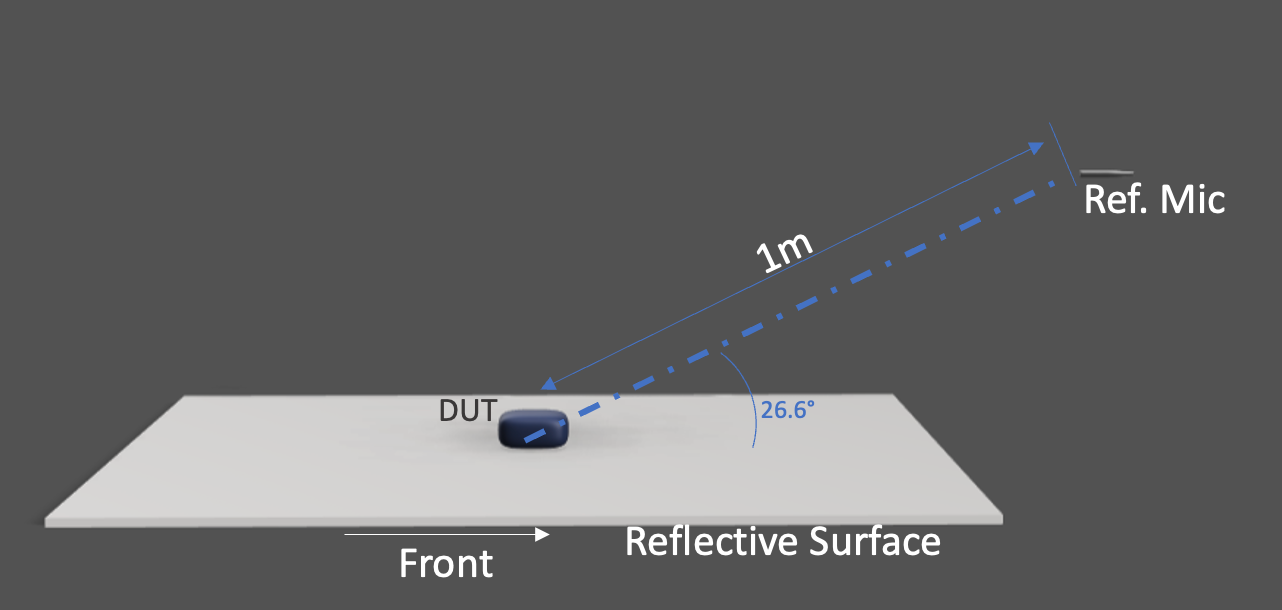
Speaker Measurements Good speaker output of a speakerphone is critical for the receive end user to hear the conference call clearly. On-Axis frequency response, THD, and directivity of the speakers are measured for selected speakerphones in this experiment with AudioPercision APx555 and B&K free-field reference mics. Here is a picture of the measurement setup, the speakerphones are setup on a reflective surface to simulate the table, and measurement mic are placed according to the picture.
And here are the results:
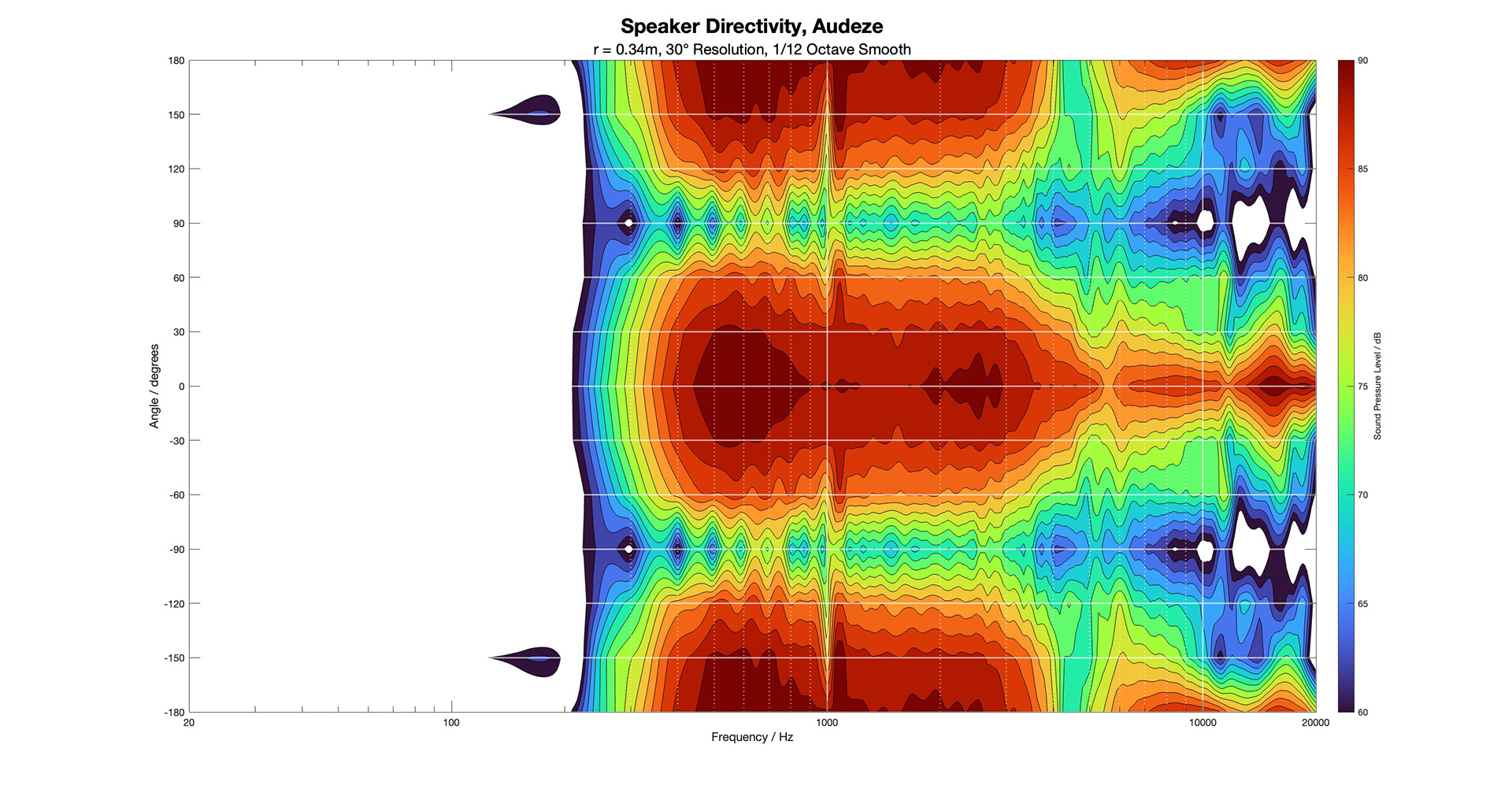
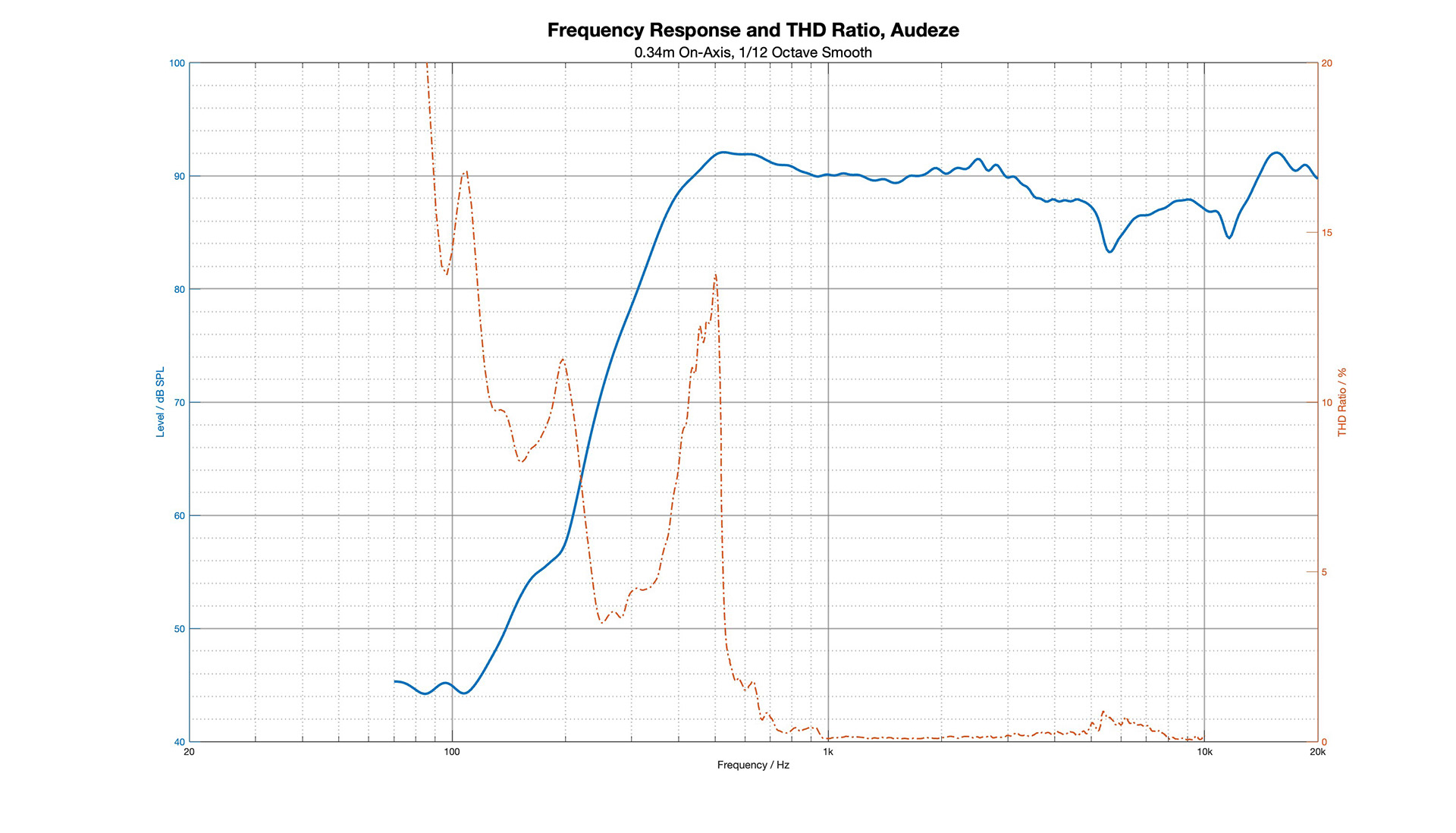
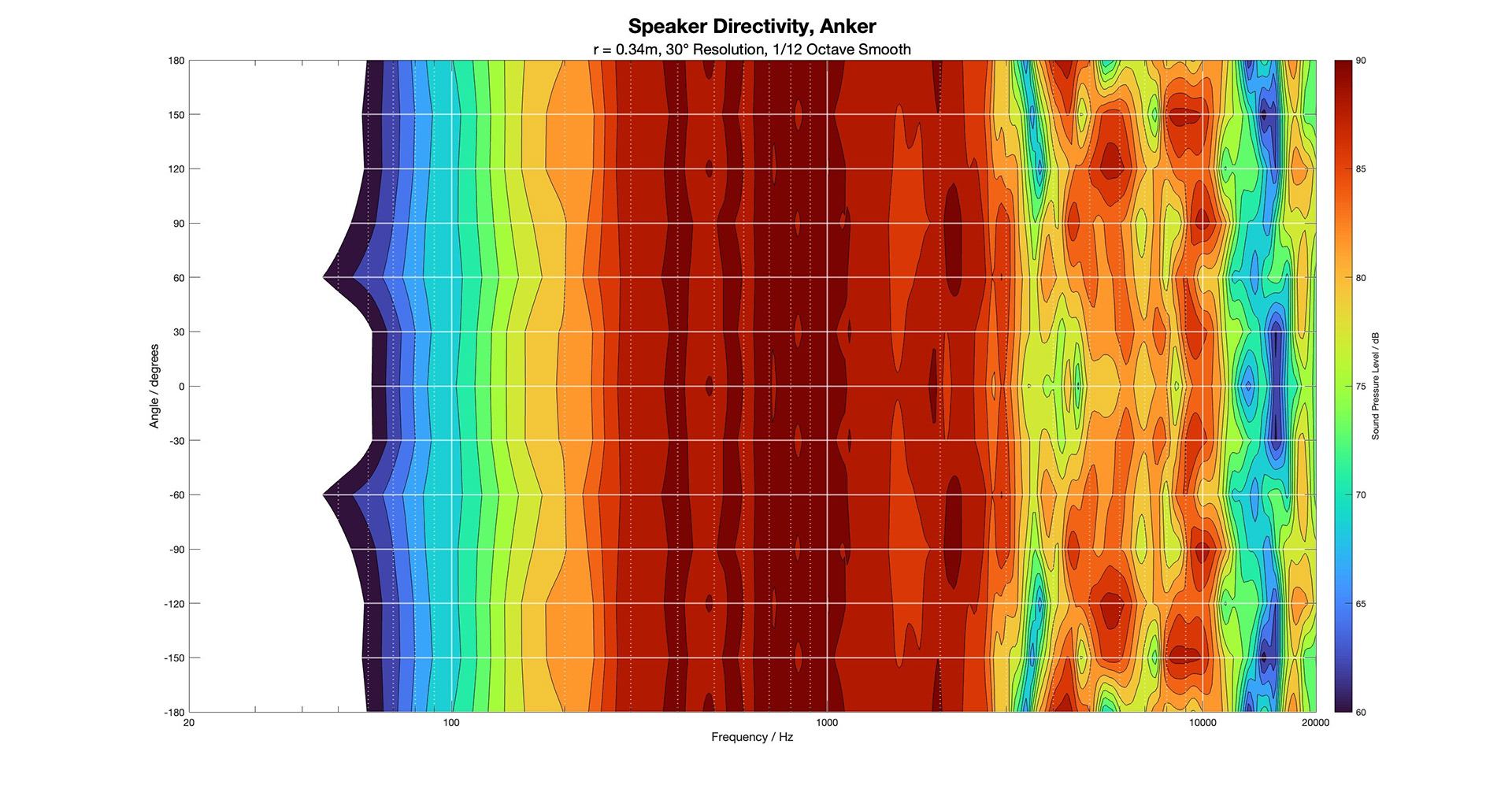
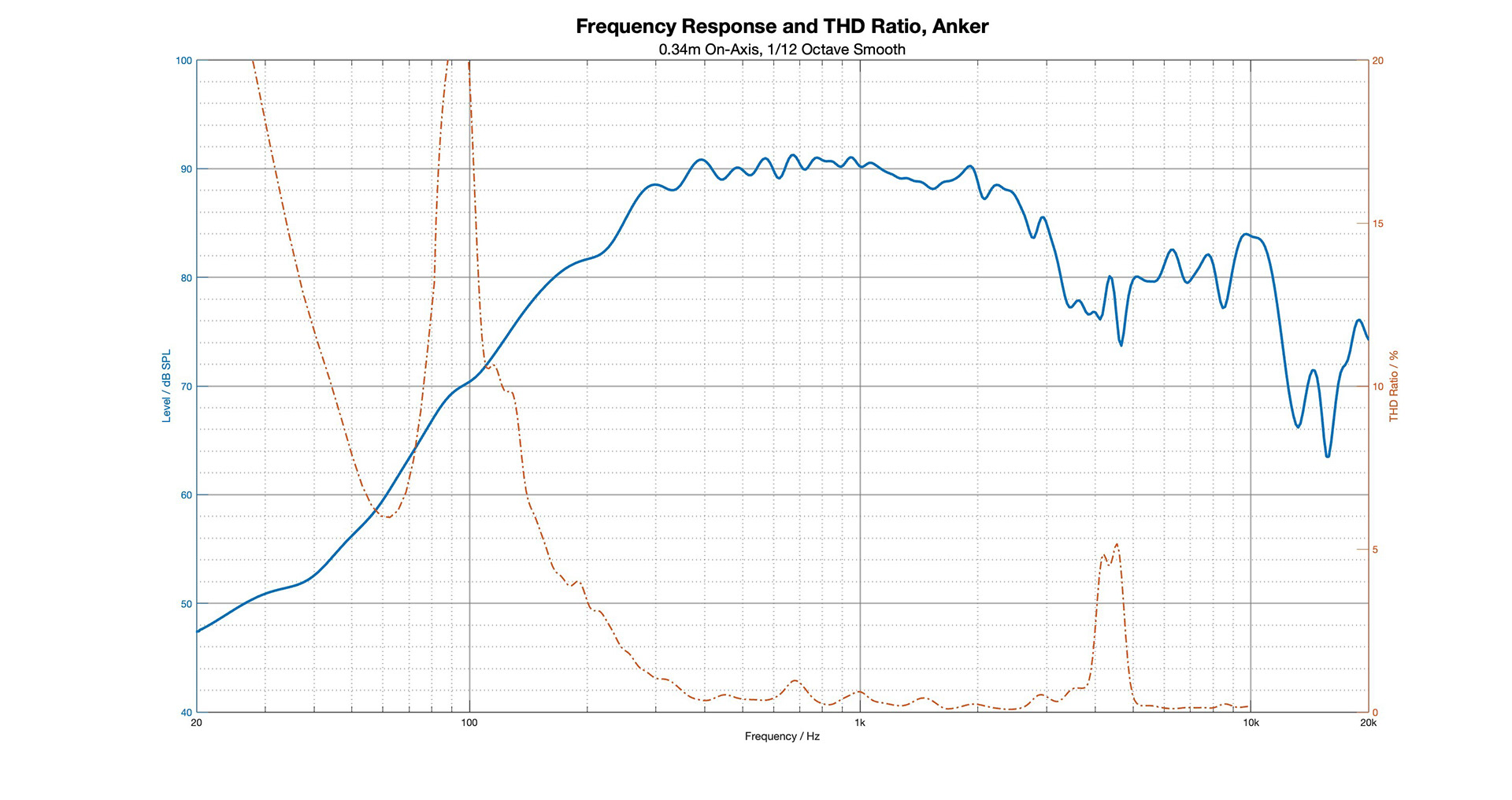
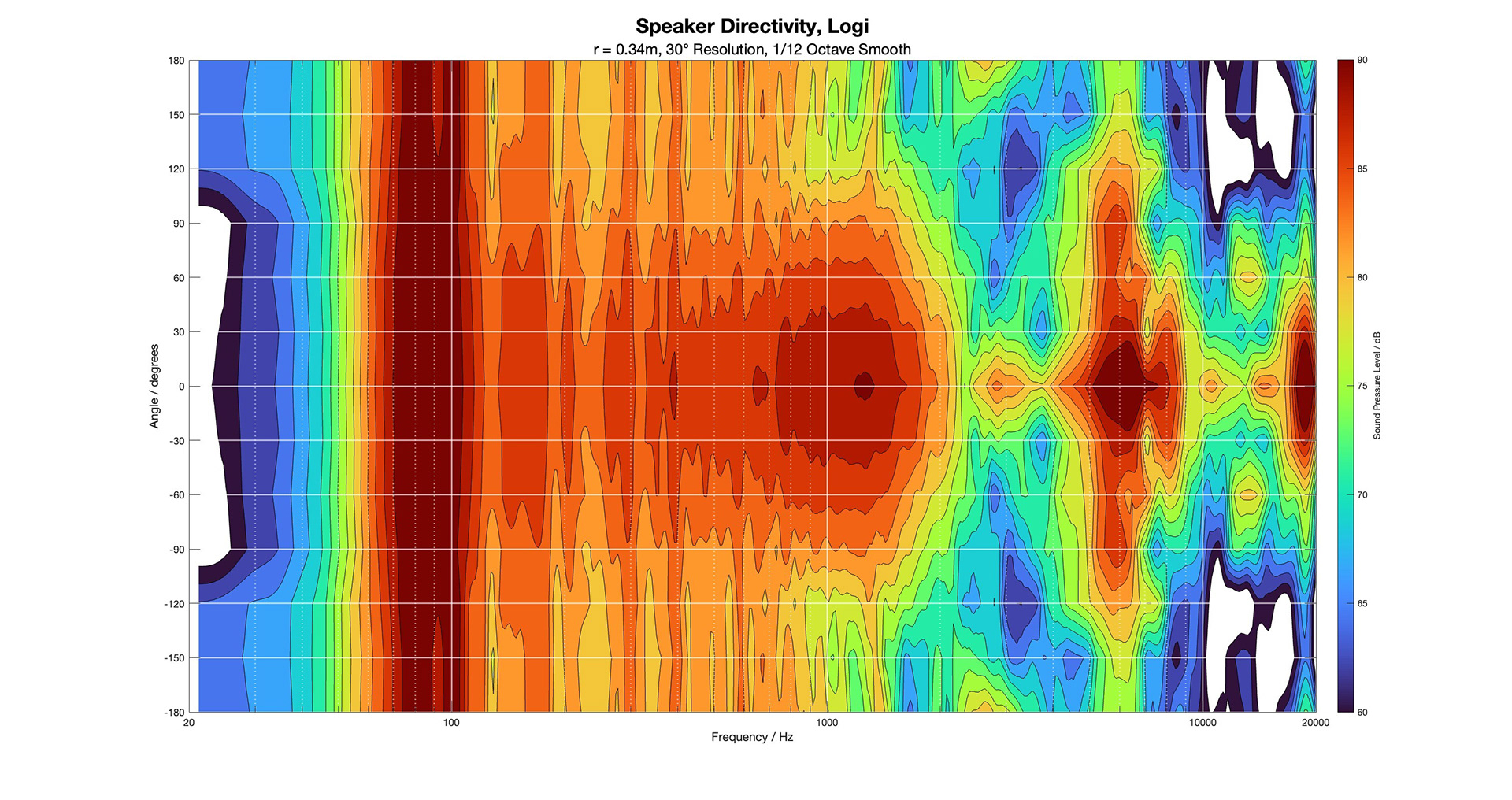
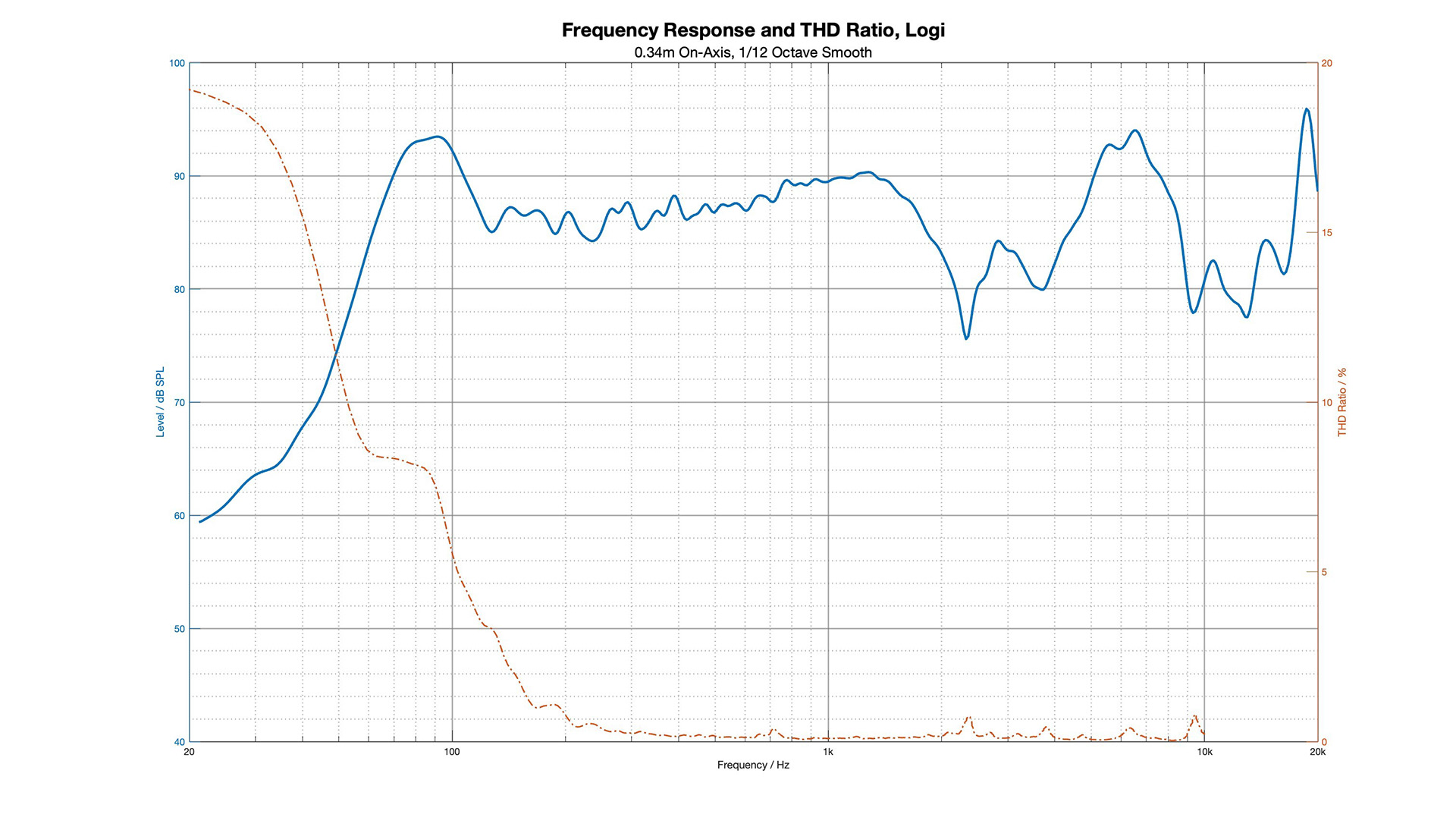
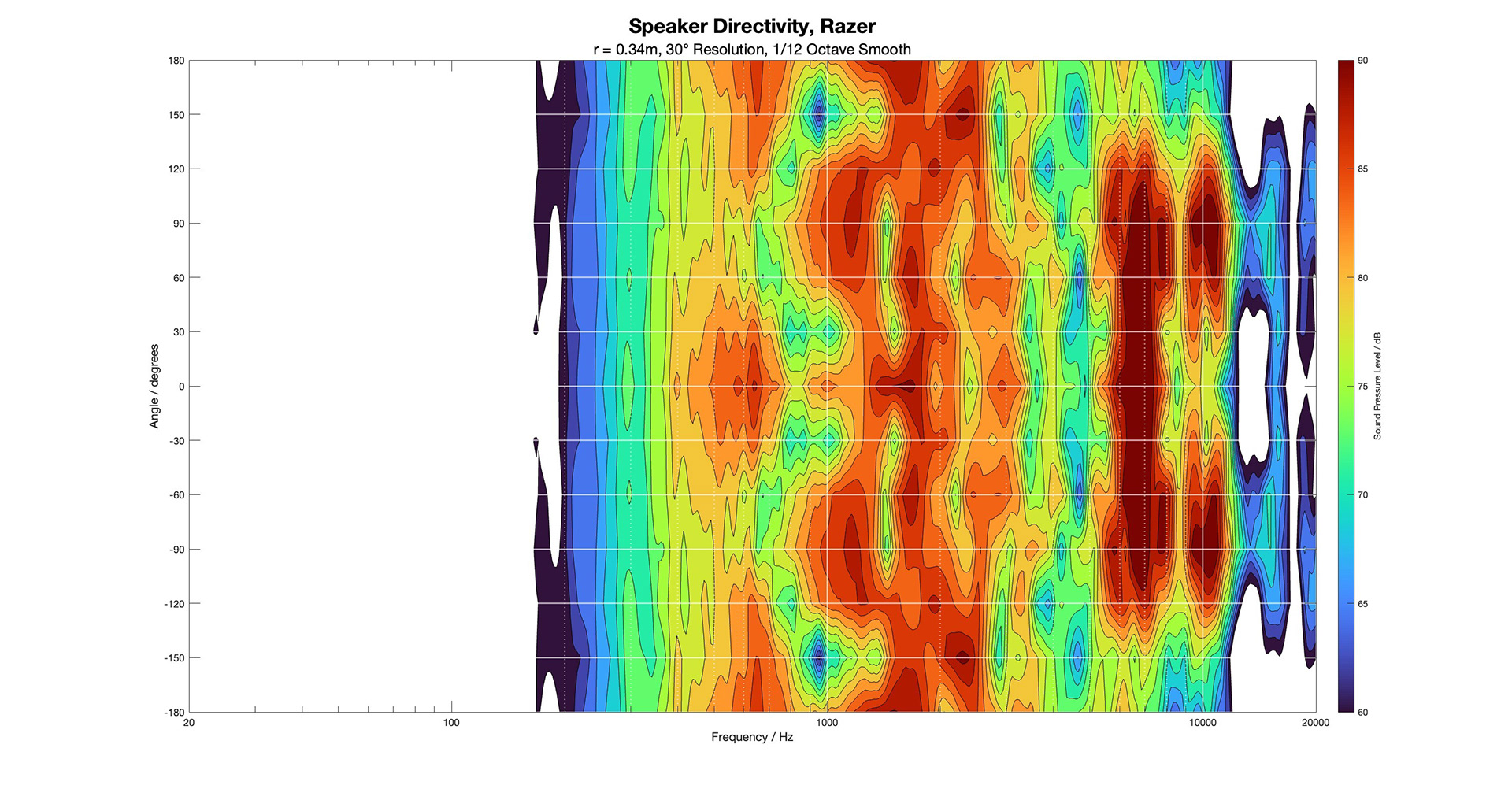
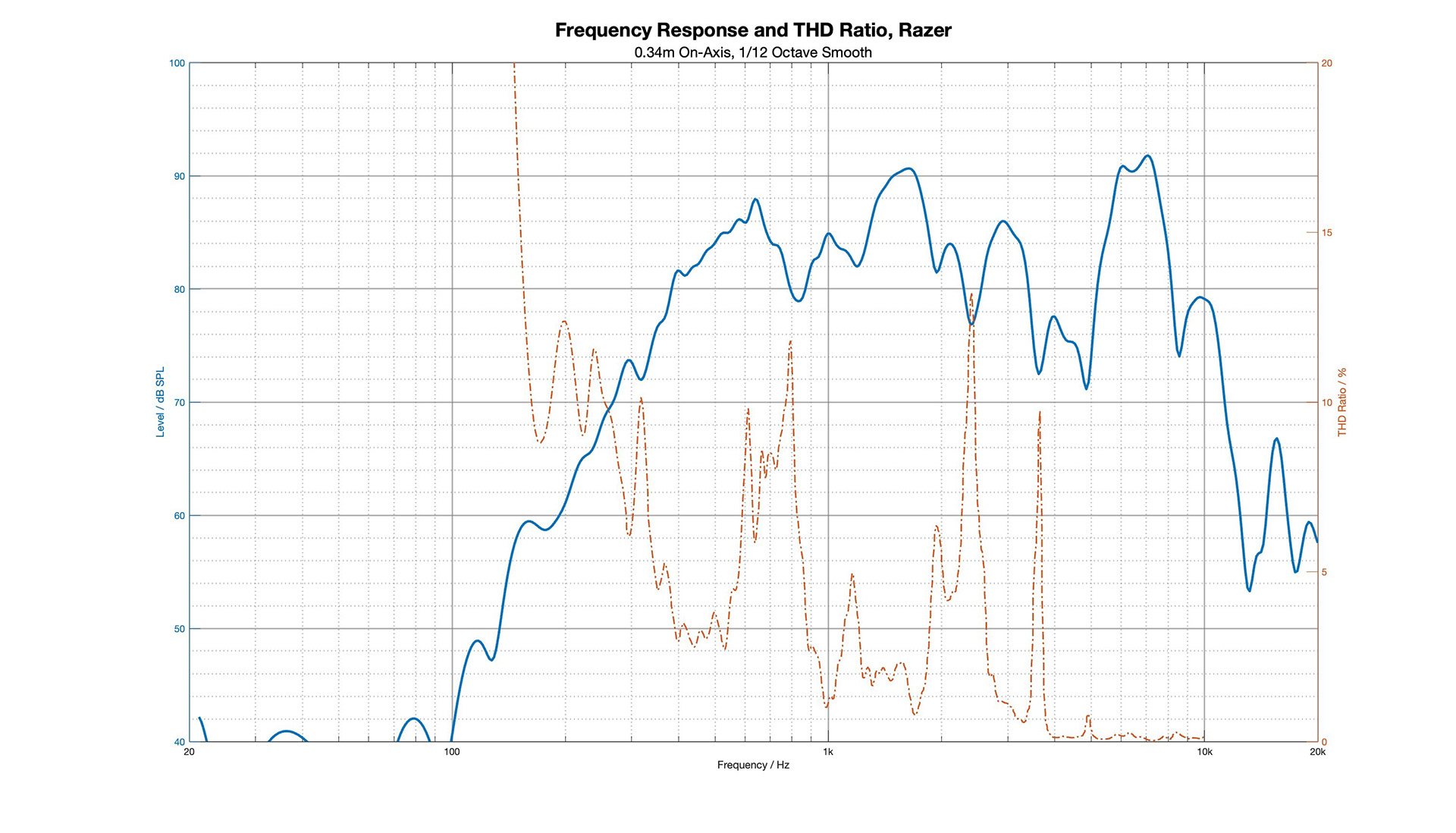
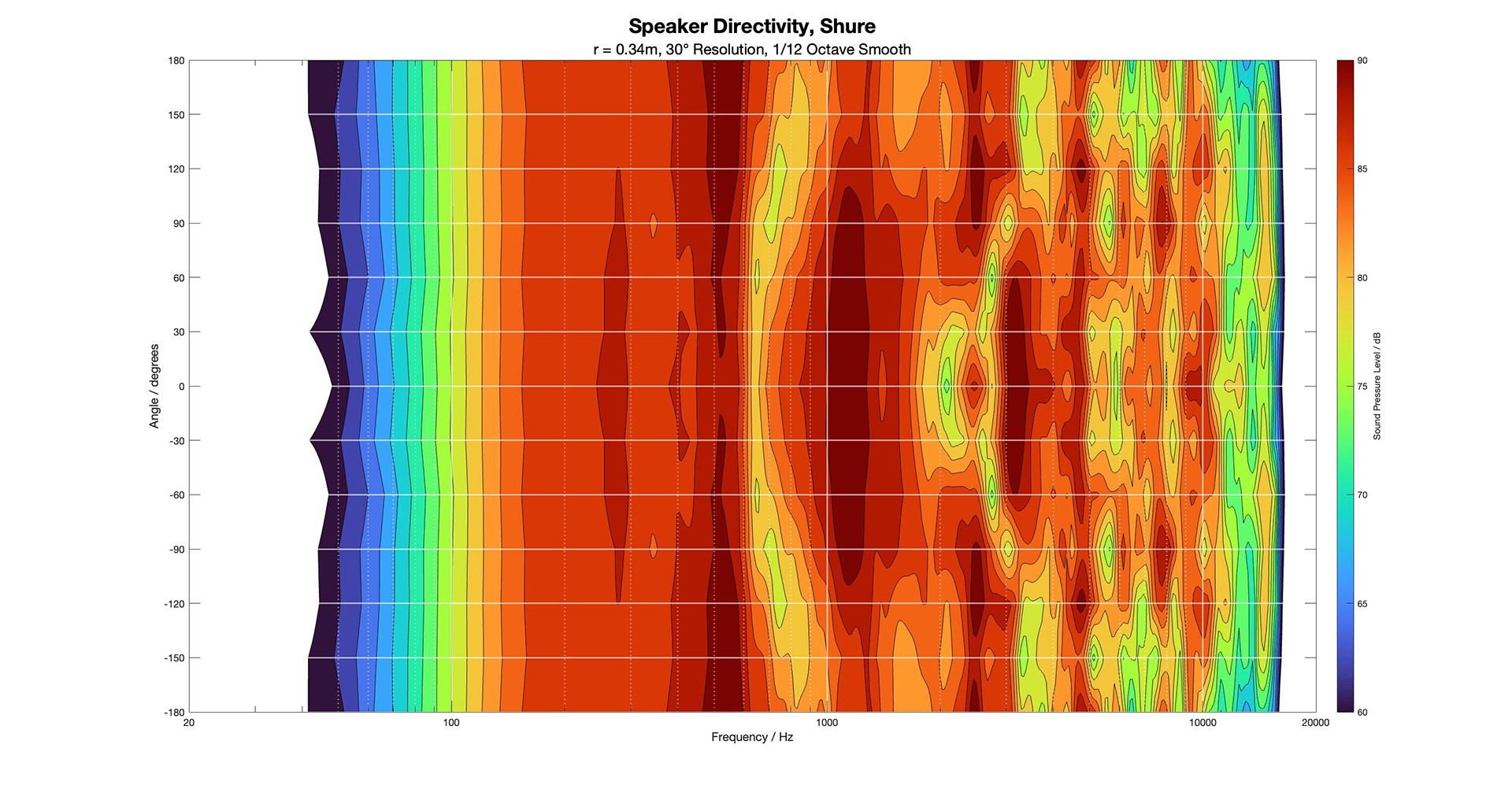
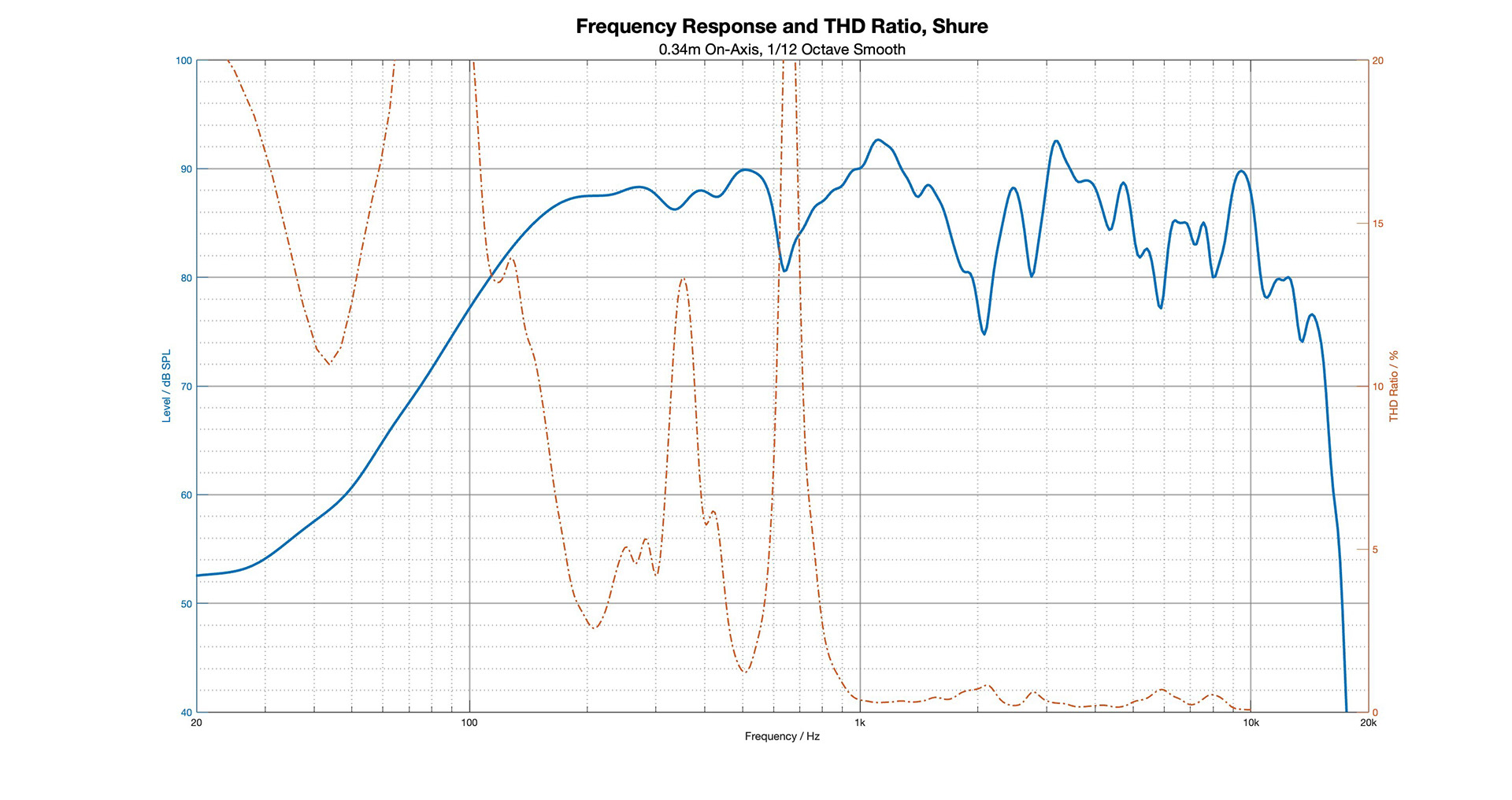
As we can see, not all speakers are built equal. The speaker on the Logi Dock is the overall best in terms of bandwidth and distortion, but it's not an omnidirectional design, so it's not the best design to use in the middle of a table where people will be sitting around it. It is also interesting to see the clear directivity dipole on the Audeze Filter. The best omnidirectional design here is the Anker PowerConf S3, which both measured well and also sounded pleasant to the ear. The maximum loudness of each speaker is also measured with pink noise and C weighting filter. The measurement setup and results are shown below:
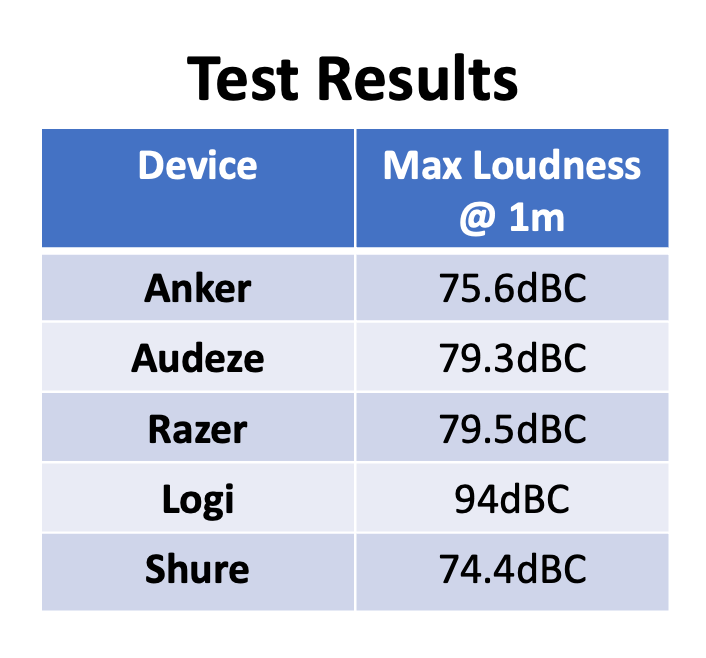
The result suggests that the Logi Dock is far ahead of the competition in terms of loudness. The Anker and Shure products underperformed the laptop in the loudness category, and that is rather disappointing to see.
Microphone Performance Evaluation Consumers look for good microphone performance in a speakerphone. After all, this is why most people want to get a separate speakerphone in the first place—to make them sound more clear in a conference call. Since the devices I'm testing are fully assembled devices with unknown DSP processes baked into the audio pickup signal chain, it's difficult to make objective measurements and judge them on a component level. Therefore, I designed the following subjective test to ask trained listeners to judge the mic performance on these devices. The speakerphones are placed inside a medium sized conference room(sits 6 to 8 people), and reference loudspeakers are placed at where people would sit in this conference room. The reference speakers played Harvard sentences (phonetically balanced sentences) in alternating patterns to simulate people talking during a conference call. The reference speakers are placed around the table to test the beam forming and noise rejection capability of the speakerphones. The speakerphones are used to record the sentences for later evaluation.
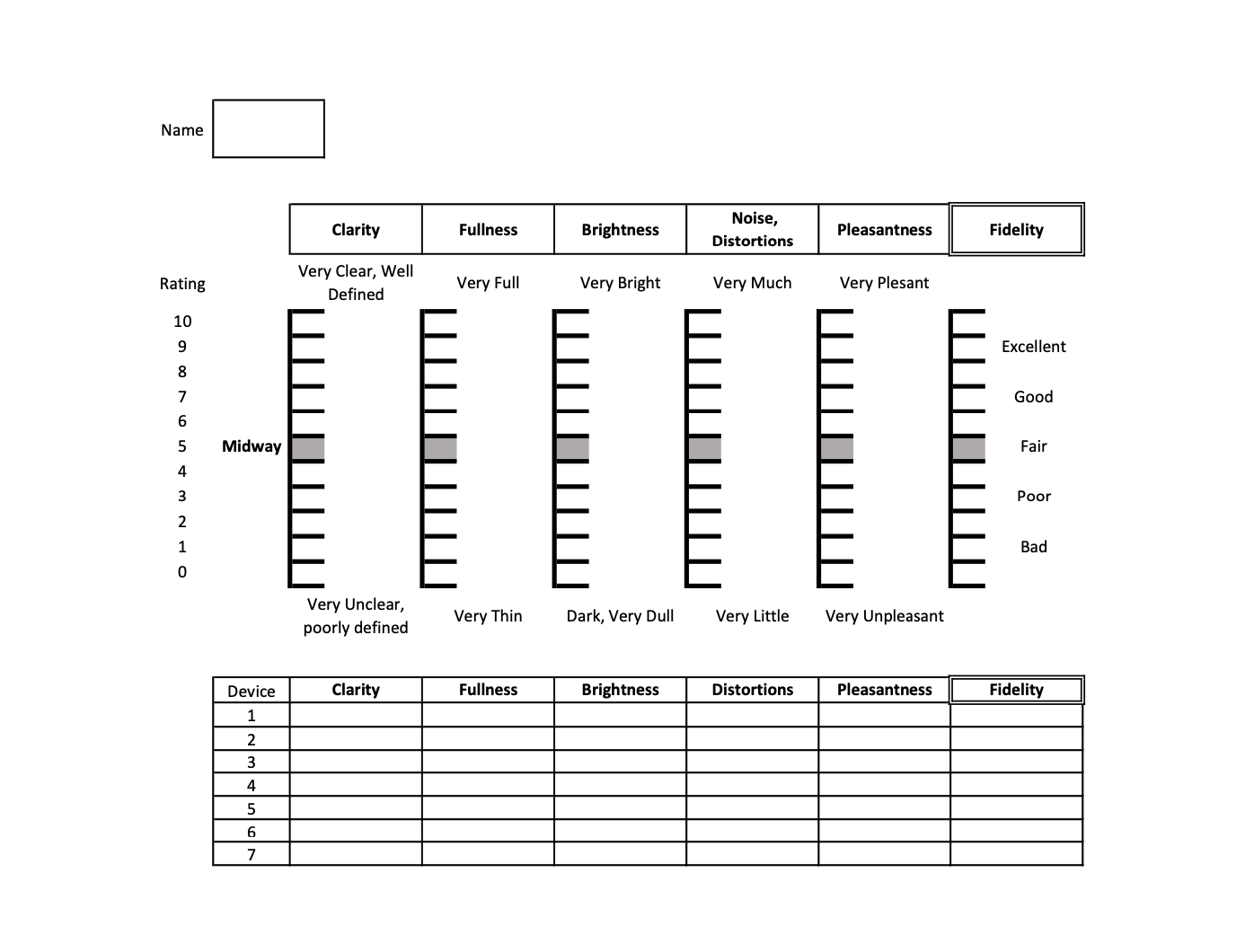
The recordings from the recording is then played back to a group of trained listeners using reference loudspeakers for grading in a blind test. The grading chart is designed based on the version presented in Floyd Toole's book "Sound Reproduction: The Acoustics and Psychoacoustics of Loudspeakers and Rooms". A copy of the grading chart is attached below. The meaning of each category is explained to the grading group before listening to ensure good, uniform understanding of the task at hand.
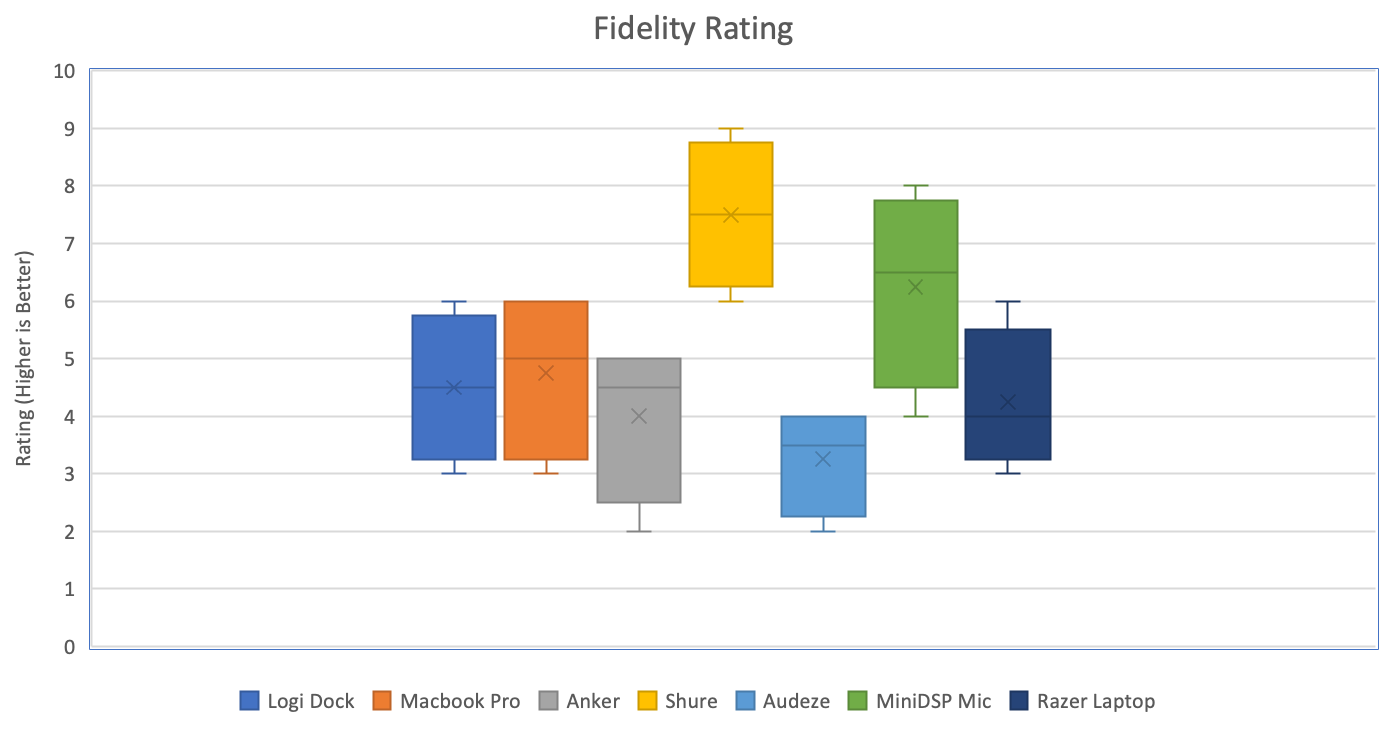
I made box plots for the "Fidelity" category, and this is the result. It seems like the group has clear preference for the Shure Stem Table device. It was also surprising that a few of the devices clearly scored lower than the laptop mics, suggesting that they might add little value to improve the quality of the conference calls.
In conclusion, this experiment was able to compare the speaker and microphone performance of these devices, and is able to advise consumers to make a better purchasing decision based on their needs. However, the tests are not perfect. To make the test results more convincing, it would be better to have a larger group of listeners participating in the subjective microphone evaluation. I also have data from other grading categories that can be further analyzed.